MENULUX BLOG
How AI-Powered Restaurant Reservation Systems Reduce Customer No-Shows
Menulux POS Systems · April 01, 2026Today's restaurant reservation systems function as digital ledgers that record a wide range of data, from table arrangements to customer preferences. While these systems handle basic reservation recording, they still require human intervention for tasks like communicating with customers, managing cancellations, or predicting no-show risks.
AI-powered reservation systems, on the other hand, transform this process from passive record-keeping into an active and intelligent communication workflow. They don't just log a reservation as an appointment; they establish a seamless communication bridge between the restaurant and the customer, aiming to reduce no-show rates.
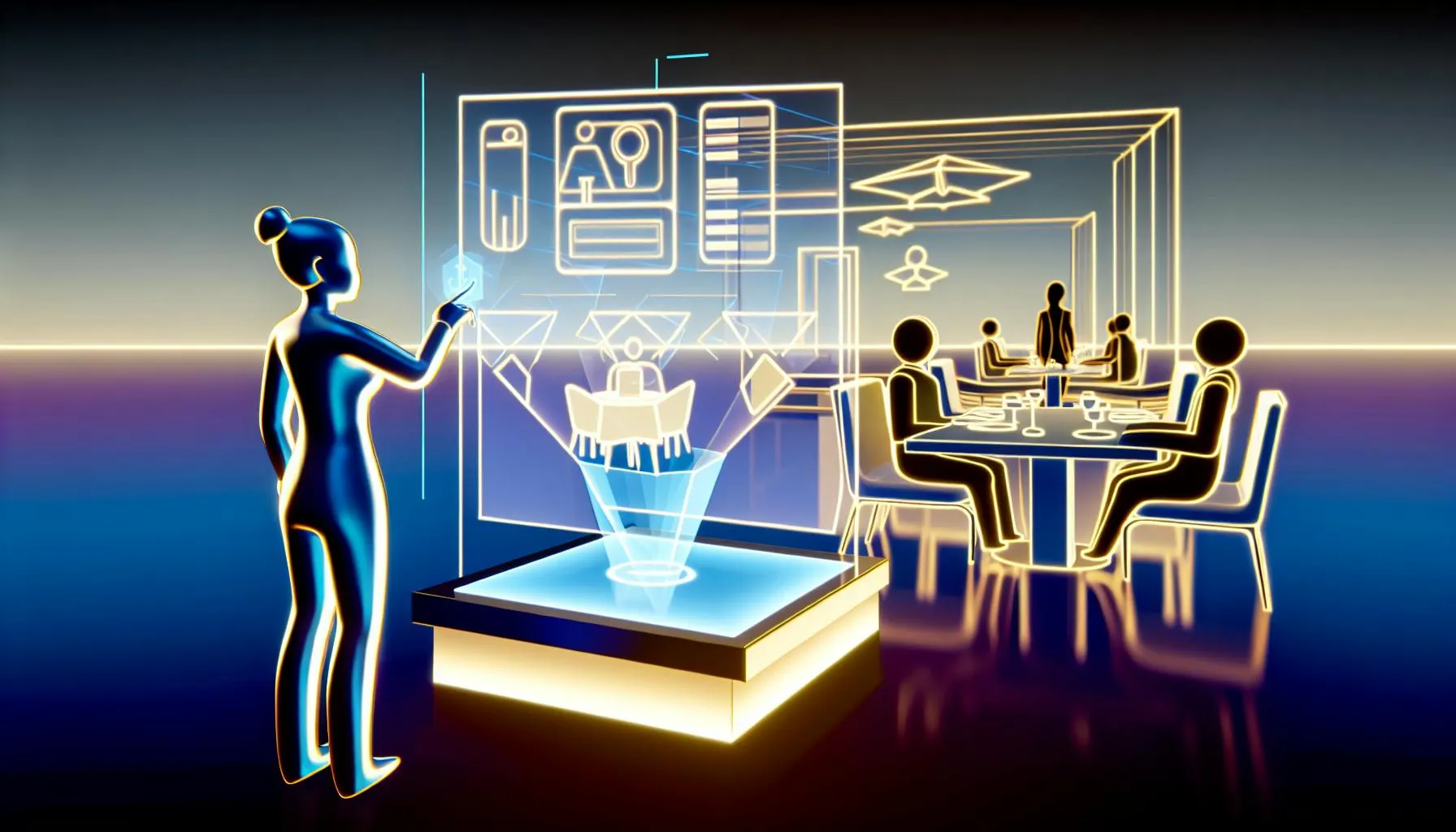
In this article, we will examine the key mechanisms an AI-powered restaurant reservation system uses to reduce customer no-shows.
Automatic Confirmations and Smart Reminders
Automatic confirmation and reminder mechanisms may seem simple but are among the most effective tools for preventing no-shows. An AI-based restaurant reservation system sends automatic reminders via SMS, push notifications, or email before the reservation time. Customers can respond to these messages to cancel or modify their reservation with a single click.
This is crucial because research shows that most no-shows occur not out of malice but due to forgetfulness or lack of clear reminders. The easier and more interactive the reminder process, the more likely customers are to cancel early rather than quietly skip their reservation, giving you a chance to refill the table.
Smart Prepayment and Deposit Policies
Payment policies are sensitive in the restaurant industry, but AI systems allow you to apply them more intelligently.
Instead of uniform rules, AI-powered reservation systems enable credit card holds, deposits, or prepayments only in high-risk situations. For example:
• Friday and Saturday evenings between 7:00–9:00 PM
• Large groups of 6 or more
• Special days (Valentine's Day, Mother's Day, etc.)
• Special events or tasting menus
This way, customers booking a lunch on Tuesday don't feel penalized, while your peak hours remain protected. Deposits are recorded in your POS system as "cancellation fees" or "no-show" items if the customer doesn't show, partially offsetting your loss.
Smart Waitlists and Automatic Filling
Even the best restaurant reservation system will face cancellations. What matters is how quickly you can fill those gaps. AI platforms can automatically move waitlisted customers into newly available time slots or instantly notify high-interest customers.
This feature is especially critical late in the day. A cancellation 1–2 hours before service would normally leave a table empty all night, but with an intelligent system, the slot can be filled immediately. The check for that table in your restaurant POS program is saved even at the last minute.
Predictive Risk Scoring
Some advanced AI restaurant reservation systems not only provide automation but also predict no-show risk using machine learning algorithms. The system analyzes past reservation data, time slots, special days, and customer behavior patterns to calculate a risk score for each reservation.
This doesn’t mean recklessly overbooking, but it provides strategic advantages:
• Applying deposits for high-risk reservations
• Adding extra confirmation steps for risky reservations
• Planning the dining area with more realistic data
Operators already make these risk assessments intuitively. AI makes the process more consistent, data-driven, and independent of a single manager’s experience. Moreover, this risk scoring improves over time by learning from past sales data in your POS program.
24/7 Voice and Chat-Based Reservations
No-shows are not always due to malice. Sometimes, the reservation process itself is uncertain or unclear. AI-powered voice assistants and chatbots address this issue by:
• Answering phone calls 24/7 so you don’t miss reservations outside business hours
• Clearly confirming reservation details to minimize errors
• Maintaining a warm, human-like communication tone for a better customer experience
Real restaurant data shows that AI voice assistants significantly increase phone reservations. In some restaurants, AI handles up to 90% of incoming calls. This reduces the workload of hosts managing phones during service and prevents reservation gaps. Every phone reservation logged is potential revenue for your POS system.
Features to Look for in an AI Reservation Tool
Not every AI-based restaurant reservation system performs equally. To effectively reduce no-shows, a system should include:
Real-Time Availability and Table Management: Fully synchronized with your live table map and pace rules. It should only reserve tables you can actually seat and update the system as soon as a table becomes available.
Multi-Channel Reminders with Two-Way Messaging: Allowing customers to respond directly to reminders to cancel or modify increases early cancellation rates.
Flexible Policy Management: Credit card holds, deposits, or prepayment requirements should be easily applied or removed based on time slots, day volume, or party size.
No-Show Prediction or Risk Scoring: Even basic risk scoring algorithms help make smarter policy decisions.
Voice and Chat-Based Reservation Channels: Should be able to accept reservations via phone or messaging apps, confirm details verbally, and record them in the system.
POS Program Integration: Full integration with your existing POS system is crucial. Combining reservation data with sales data provides:
• Automatic linking of reservations to checks
• Analysis of customer spending habits
• Calculation of no-show revenue loss
• Identifying loyal customers and personalizing promotions
Detailed Reporting and Analytics: You should clearly see no-show rates, cancellation timings, saved customers, and their revenue impact. Combined with your POS data, these reports answer:
• What is the average lost revenue per no-show table?
• Which days and time slots have higher no-show rates?
• How did deposits affect revenue?
• What is the total revenue contribution of recovered tables?
Frequently Asked Questions
What is an AI-powered restaurant reservation system?
It is a reservation tool enhanced with AI that manages the entire process from start to finish. It automates confirmations, reminders, modifications, cancellations, waitlists, and customer communication. Modern systems integrate with your POS program to combine reservation and sales data.
Do these systems actually reduce no-shows?
Yes. Automatic reminders and easy cancellation options increase early cancellations instead of silent no-shows. Smart deposit policies and waitlist management quickly fill empty tables. Restaurant data shows these systems reduce no-show rates by an average of 30–50%. You can see this reduction as increased revenue in your POS data.
Are deposits or credit card holds mandatory?
No, but they are effective when used strategically. The power of AI systems lies in selectively applying these policies based on risk factors rather than enforcing them uniformly. Applied deposits are recorded in your POS system as revenue if the customer doesn’t show, partially offsetting losses.
Do voice reservation assistants negatively affect the customer experience?
Quite the opposite. Properly configured AI assistants use a natural, warm tone and offer 24/7 availability so customers can book anytime. Many restaurants report increased customer satisfaction after implementing AI assistants, reflected in higher repeat customer counts in your POS program.
Is integration with my current POS program possible?
Advanced AI reservation systems today offer API integration with popular POS programs. This allows combining reservation data with sales data, performing customer-based analyses, and tracking the financial impact of no-shows in real time.
Conclusion
No-shows may never be fully eliminated, but they don’t have to ruin your night. An AI-powered restaurant reservation system manages this by strengthening communication with customers before service, facilitating cancellations, and quickly adapting to schedule changes.
The biggest benefit is not just lower no-show rates. The real gain is a more stable service flow. Hosts can focus on greeting guests. Kitchen teams can prepare confidently. Customers feel welcomed with care, not just rules.
As a result, the numbers in your POS program reflect higher revenue, better average spending per person, lower waste, and more repeat customers.
You can contact industry experts to learn more about AI-powered restaurant reservation systems or to evaluate the best solution for your restaurant.
Thousands of businesses in over 20 countries grow with Menulux. Work with Menulux, Turkey’s leading provider of POS Systems, Kiosk Systems, QR menus, and digital menuboards by contacting us today.


 Nida Kule, Atasehir Barbaros Mah.
 0850 346 6586
 info@menulux.com