MENULUX BLOG
Restaurant Automation in 2026: A Strategic Imperative to Stay Competitive
Menulux POS Systems · April 09, 2026When McDonald’s introduced the industry's first self-service kiosks in 2016, it quietly ignited the spark of a revolution in the restaurant world. The decade that followed witnessed a transformation where restaurant automation evolved from a "luxury" to a fundamental necessity for staying competitive. By 2026, we see that this transformation has not only accelerated but has also become a strategic imperative. From self-service processes optimized with conveyor belts to meal preparation perfected through AI-supported kitchen screens, restaurant automation systems are now at the heart of businesses’ goals for efficiency, profitability, and customer satisfaction.
So, from a 2026 perspective, what exactly does restaurant automation mean? In which areas does it appear, and most importantly, where should your business start in this transformation? This article aims to provide comprehensive and up-to-date answers to all these questions.
What is Restaurant Automation and Why is it Indispensable?
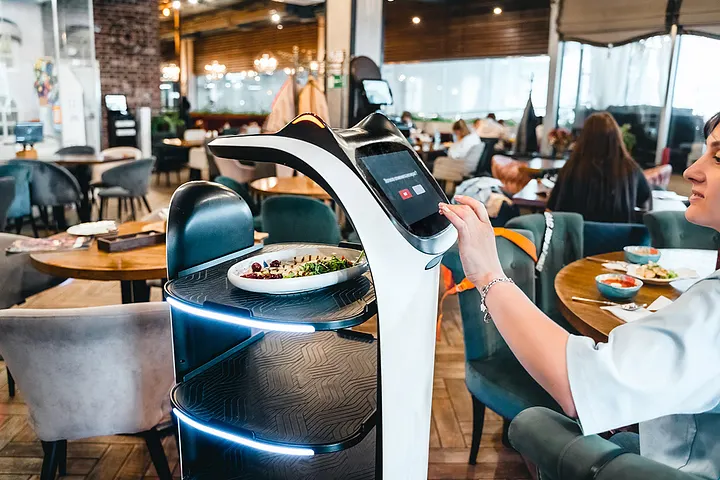
Restaurant automation can be defined as the art of using technology-based solutions to improve, accelerate, and optimize your operational processes. However, the concept of "improvement" here is flexible; it’s up to you whether to make processes faster, more accurate, more efficient, or a combination of all three. Whether you are a large restaurant chain or a beloved neighborhood coffee shop, you can transform your operations with the right technology solutions. Today, automation solutions developed for both restaurants and cafes are designed to flexibly meet the needs of both types of establishments, operating autonomously in dining areas, kitchens, and service zones. Tasks like delivering food, transporting materials, or cleaning areas can be assigned to these types of robots.
As of 2026, the importance of automation is more evident than ever. Customers now expect speed, accuracy, and personalized experiences. Recent studies show that nearly half of consumers believe AI applications in restaurants can significantly speed up the ordering process. Reduced wait times and more accurate order preparation are among the other key benefits customers expect from restaurant automation. These expectations are even higher in channels like takeout and delivery. This shift in customer expectations is directing businesses toward automation solutions focused on fast service and loyalty programs.
For restaurant owners, the importance of automation is even more strategic. The right restaurant software takes over repetitive and tedious tasks, allowing employees to focus on the customer experience. This not only increases workforce efficiency but also boosts employee satisfaction. At the same time, AI-supported inventory systems minimize food waste, reduce costs, and increase profitability.
Restaurant automation systems act as a powerful catalyst, blending customer satisfaction with operational excellence.
The Scope of Restaurant Automation in 2026: From Kitchen to Customer Relations
Today, restaurant automation systems have evolved into a multi-layered structure that permeates every area of the business. We can detail these layers and the solutions they offer as follows:
Order and Front-End Experience Automation
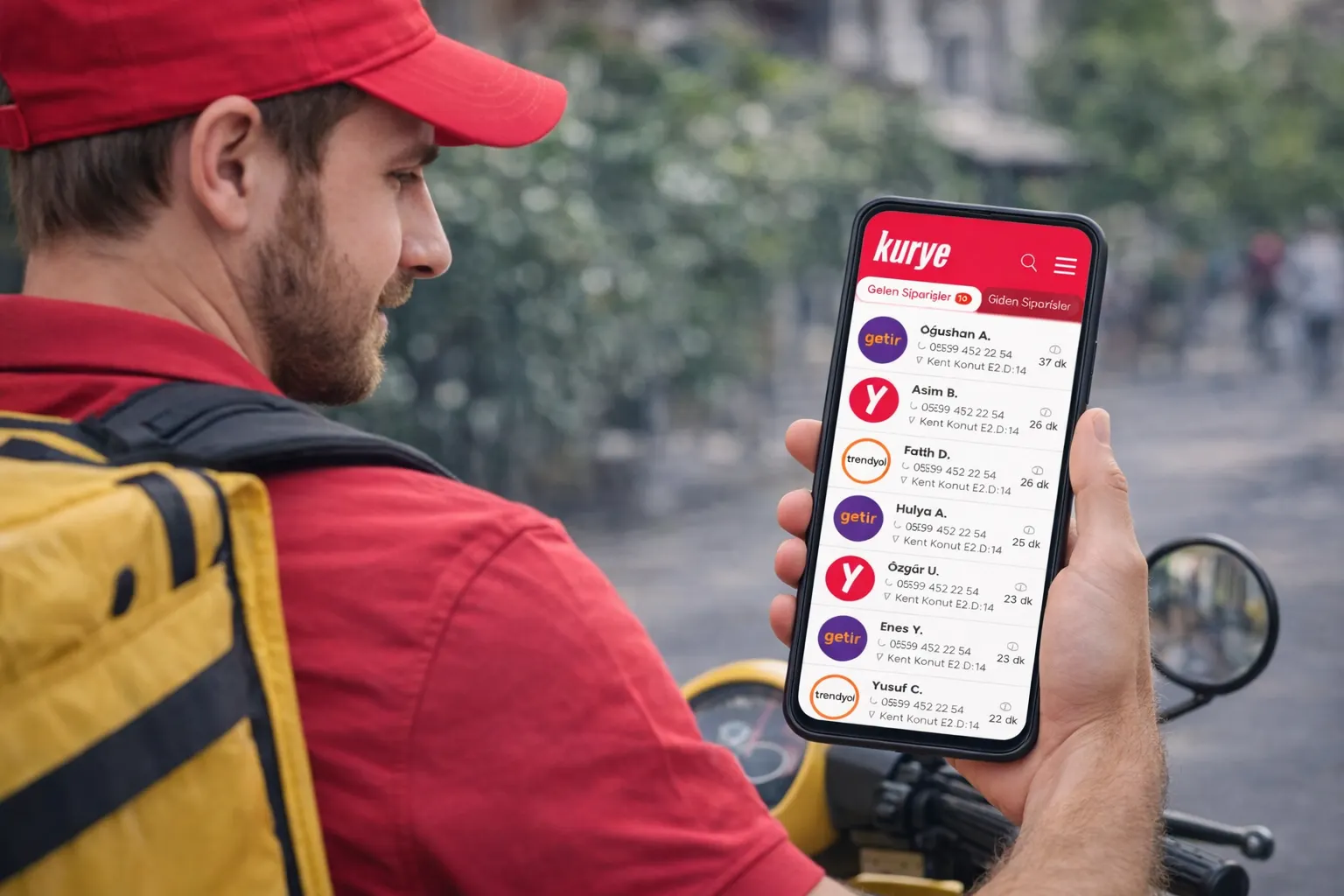
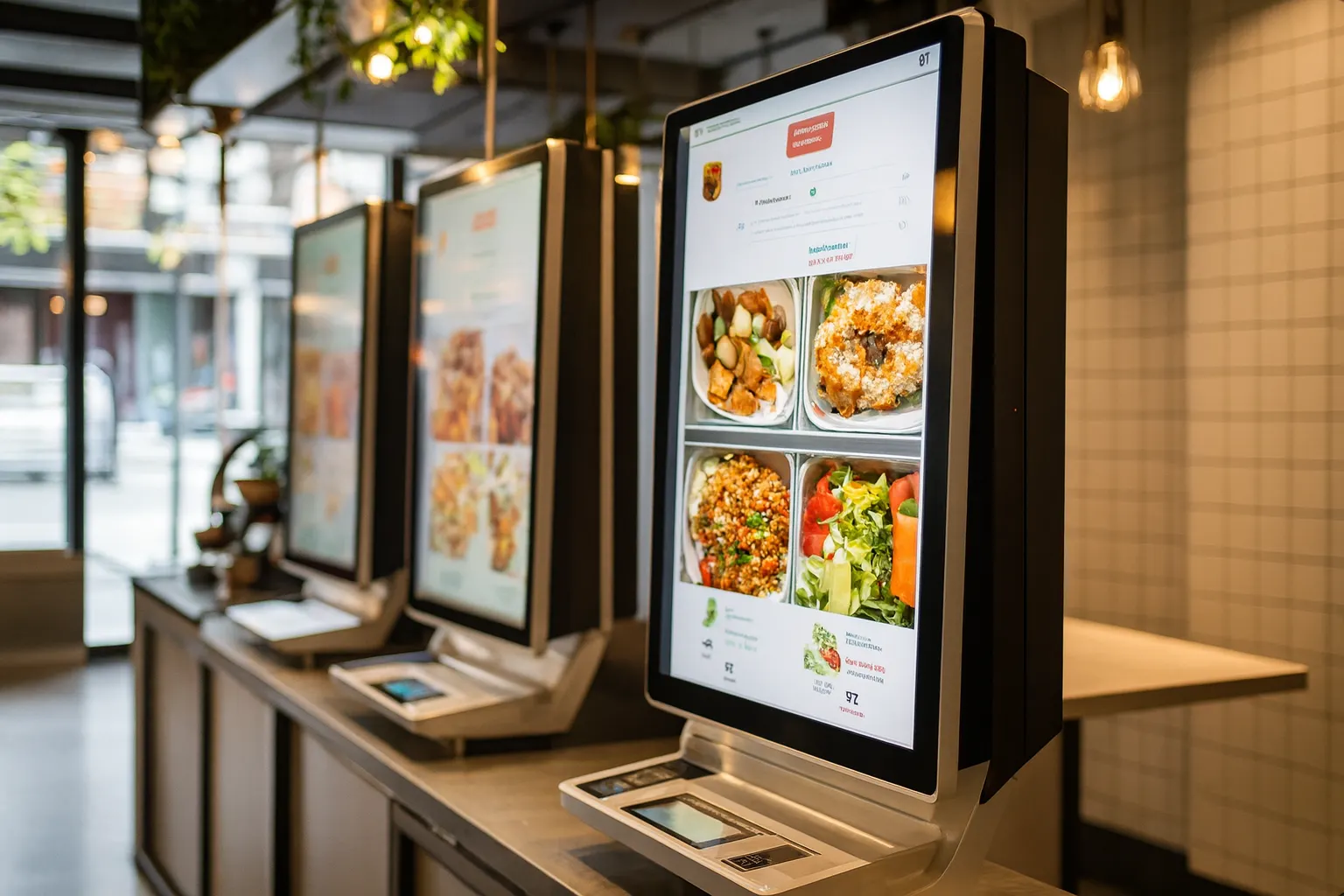
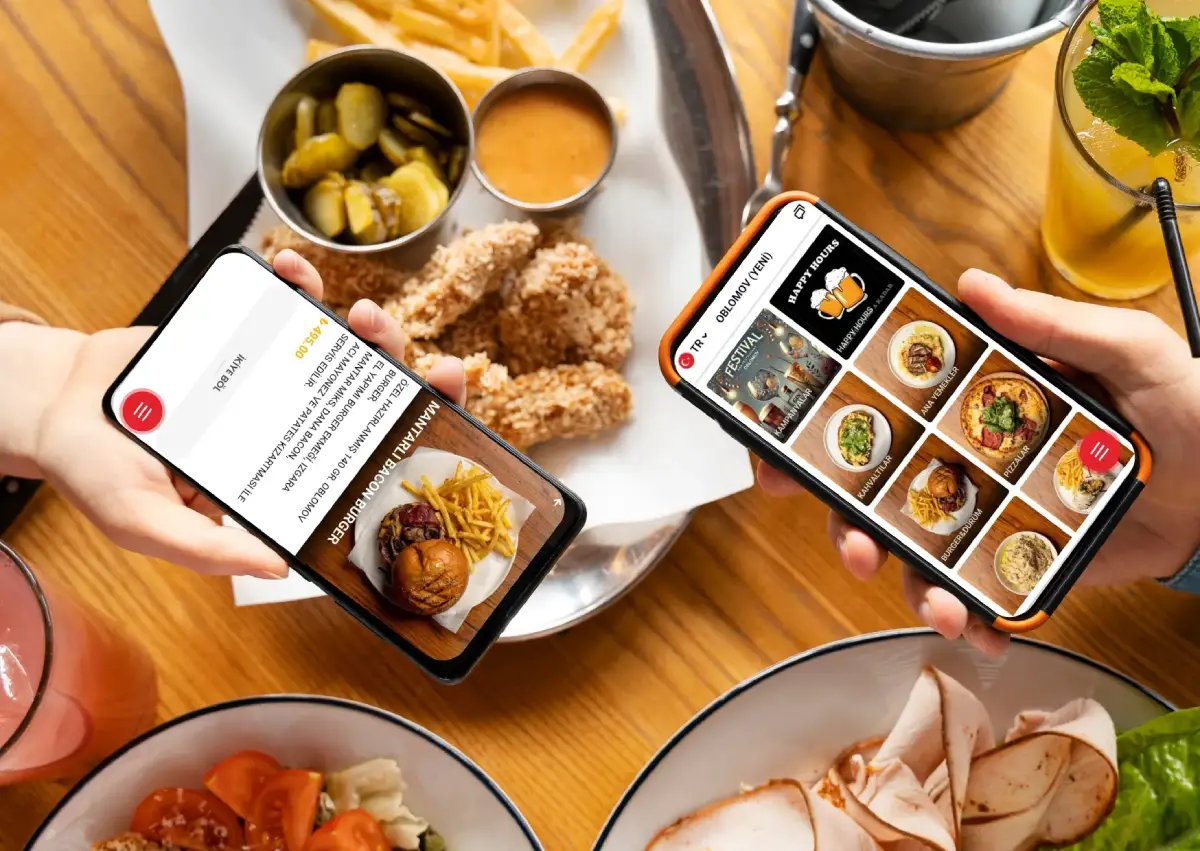
This area, activated from the customer’s first interaction with the restaurant, is perhaps the most visible part of automation. Self-service kiosks, mobile applications, and online ordering platforms via websites provide customers with a seamless and error-free ordering experience. These tools allow customers to quickly place orders and receive their coffee during busy hours, enhancing satisfaction.
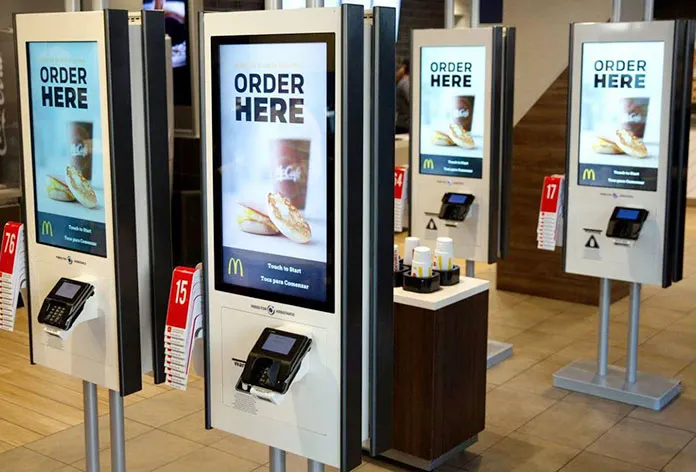
Cafe-restaurant automation systems today do more than just take orders; they increase sales and reinforce customer loyalty by providing personalized product recommendations through AI-powered suggestion engines. Additionally, AI-powered voice assistants handle phone orders, reducing workload and ensuring orders are accurately recorded. One of the most striking developments in this area is the "Food Ordering Agent" project, launched through a collaboration between Papa Johns and Google Cloud. This system integrates text- and voice-based orders on a single platform, providing a seamless ordering experience across mobile apps, websites, phone, and even in-car systems.
Kitchen and Production Automation
The kitchen is perhaps one of the most critical and rapidly transformed areas of automation. Robotic cooking systems, smart ovens, and automated beverage stations standardize and speed up food preparation while minimizing human error. Digital kitchen screens instantly relay incoming orders to chefs, eliminating communication gaps and optimizing the preparation process.
Within a cafe automation system, these solutions help baristas reduce workload during peak hours and produce higher-quality coffee. Moreover, some innovative ventures are working on fully autonomous kitchen concepts. For instance, a recently launched smart food robot in Hong Kong handles the entire process from order taking to meal heating and serving, proving that such solutions are no longer just concepts.
Back Office and Management Automation
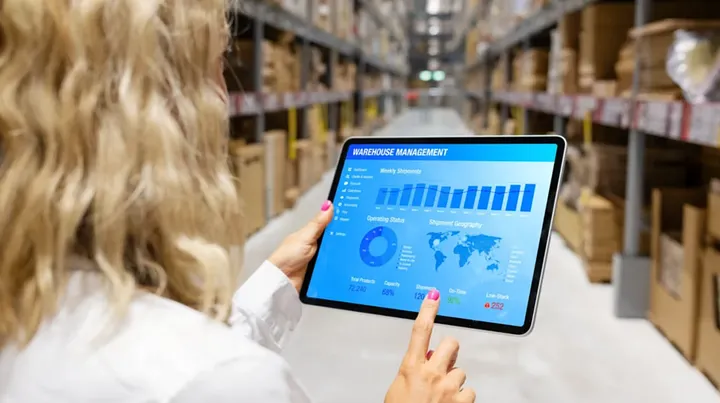
This often unnoticed type of automation happening behind the scenes is vital for the healthy operation of the business. AI-powered inventory tracking systems monitor stock levels in real-time, forecast demand, and automatically place orders with suppliers when critical stock levels are reached.
In personnel management, AI-based solutions create optimal shift schedules based on historical data and peak-hour forecasts. At this point, a restaurant software developed specifically for your business allows you to manage all these processes from a single panel. For businesses with multiple locations, a centralized automation solution enables real-time monitoring of all branches’ performance.
A notable development in this field is Burger King’s AI assistant named “Patty.” Operating through cloud-connected headsets, this voice system provides restaurant staff with real-time, hands-free support. Patty can notify managers when a product runs out, automatically remove it from the menu, and instantly answer kitchen staff’s questions about recipes or product details. According to Burger King managers, Patty frees team members from repetitive tasks, allowing them to focus on more meaningful work like customer interaction.
Strategic Decision Support and Data Analytics
In today's restaurant management, data is the new gold. Advanced restaurant automation systems collect data from various sources such as point-of-sale data, inventory movements, and customer feedback, and turn it into meaningful insights. AI-powered analytics platforms guide managers in strategic decisions like menu optimization, dynamic pricing, and personalized marketing campaigns. Cafe-restaurant businesses can use this data to measure which coffee beans are preferred, peak hours, and the effectiveness of loyalty programs.
One of the companies operating in this field is Malaysia-based Sagtec Global. Its recently launched SAGE AI platform integrates point-of-sale infrastructure, operational analytics, and predictive AI models under one roof. Using machine learning, the system helps restaurant operators optimize pricing, forecast demand, and manage inventory. Another example comes from South Korea. Developed by ControlM, RestoGenie aims to simplify branch operations using AI models trained on each brand's operational manuals and recipes.
Is a Fully Automated Restaurant Possible?
As the benefits of small-scale automation become clear, you might wonder, "What if we could fully automate all processes?" While the answer isn’t fully “yes” yet, the industry is rapidly moving in that direction. Prototype restaurants featuring robots that not only take orders but also prepare, cook, and serve food are now opening.
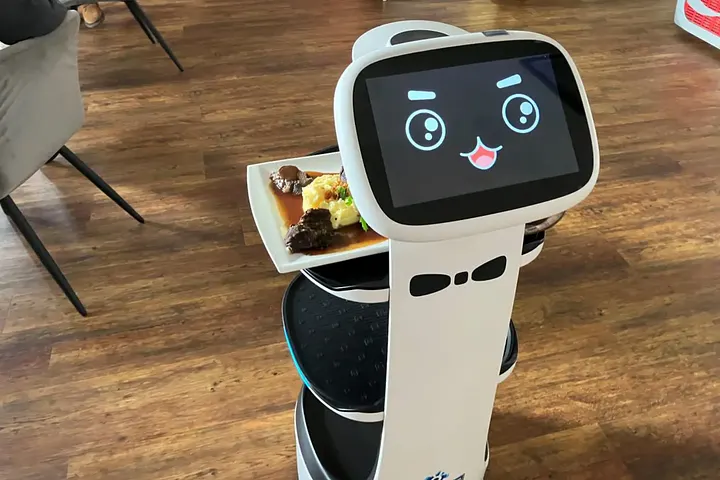
Today, a good restaurant software and advanced automation tools provide an integrated experience by ensuring that physical equipment communicates seamlessly with business systems. For example, White Castle combines advanced technologies like robot fryers, voice AI ordering systems, and self-service kiosks in its next-generation restaurant prototype called "The Castle of the Future." Although currently tested in only a few concept stores, such initiatives demonstrate how seriously the industry is investing in physical automation. Additionally, the $25 million investment by major chains like Chipotle and Cava into the Hyphen food production automation platform highlights the level of strategic partnerships and confidence in automation within the sector.
Where to Start the Automation Journey?
If you want to start this transformation in your own restaurant or cafe, what should the first step be? You don’t need to begin with complex and high-investment robotic systems. The smartest approach is to start with areas that offer the quickest returns and directly impact the customer experience.
• Automate the Ordering Process: If you are looking for a new cafe-restaurant software, digitizing the ordering process is always the most logical starting point. Begin by digitalizing order taking with online ordering platforms and self-service kiosks. This allows customers to place orders accurately and easily through their preferred channel, while freeing your staff to focus on higher-value tasks.
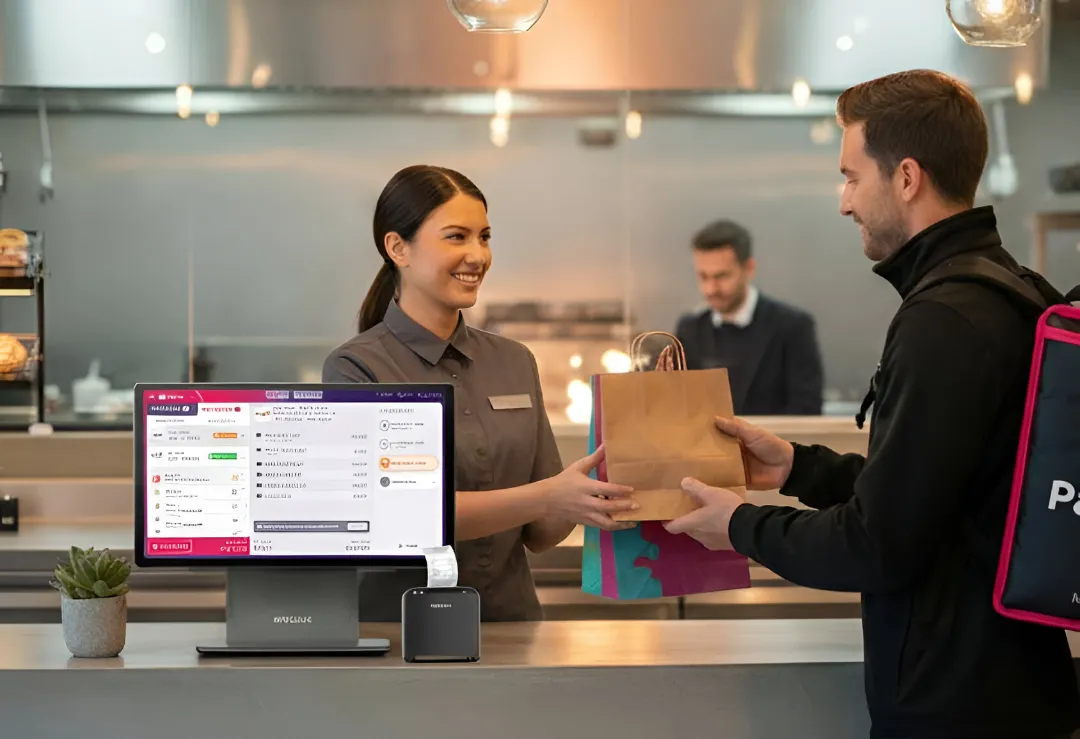
• Choose the Right Technology Partner: Ensure that your selected restaurant software integrates table service, takeout orders, fast-service operations, kiosk systems, and loyalty programs. Orders placed via kiosks or apps should flow directly to the kitchen screen without manual intervention and synchronize with payment systems.
• Adopt a Holistic Approach: Identify your business needs and develop a comprehensive restaurant automation strategy to meet them. A holistic approach covering not only orders but also inventory, staff, and customer relationship management will provide the greatest long-term benefits.
• Involve Your Staff: Clearly communicate to your team that the purpose of automation is not to replace them, but to make their work easier. Train them on using new technologies and make them feel part of the transformation.
Remember, restaurant automation is not a goal in itself but a powerful tool to achieve better restaurant management. Whether you operate a small cafe or a large restaurant chain, the right restaurant automation systems can elevate your business. The key is to start using the right tools with the right strategy from the right point.
Thousands of businesses in over 20 countries grow with Menulux. Contact us today to work with Menulux, Turkey's leading provider of POS Systems, Self-Service Kiosk Systems, QR menus, and digital menuboards.


 Nida Kule, Atasehir Barbaros Mah.
 0850 346 6586
 info@menulux.com