MENULUX BLOG
How Do Restaurant Automation Systems Reduce Business Costs?
Menulux POS Systems · May 10, 2024The restaurant industry is rapidly transforming under the influence of technology, and this change is fundamentally reshaping not only food presentation but also businesses’ costs, efficiency, and management. One of the most important drivers of this transformation, restaurant automation systems, helps businesses gain significant cost advantages by enabling digitalization.
“In this article, we will focus on how restaurant automation systems reduce business costs and how they contribute to sustainability.”
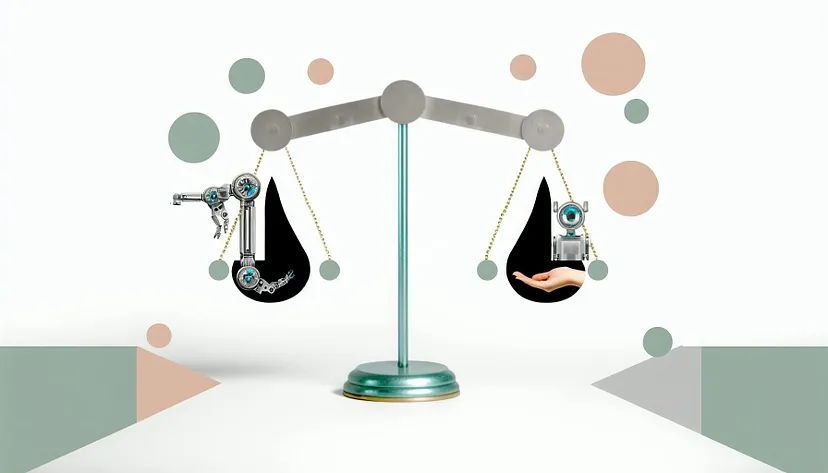
Restaurant Automation and Its Impact on Business Costs
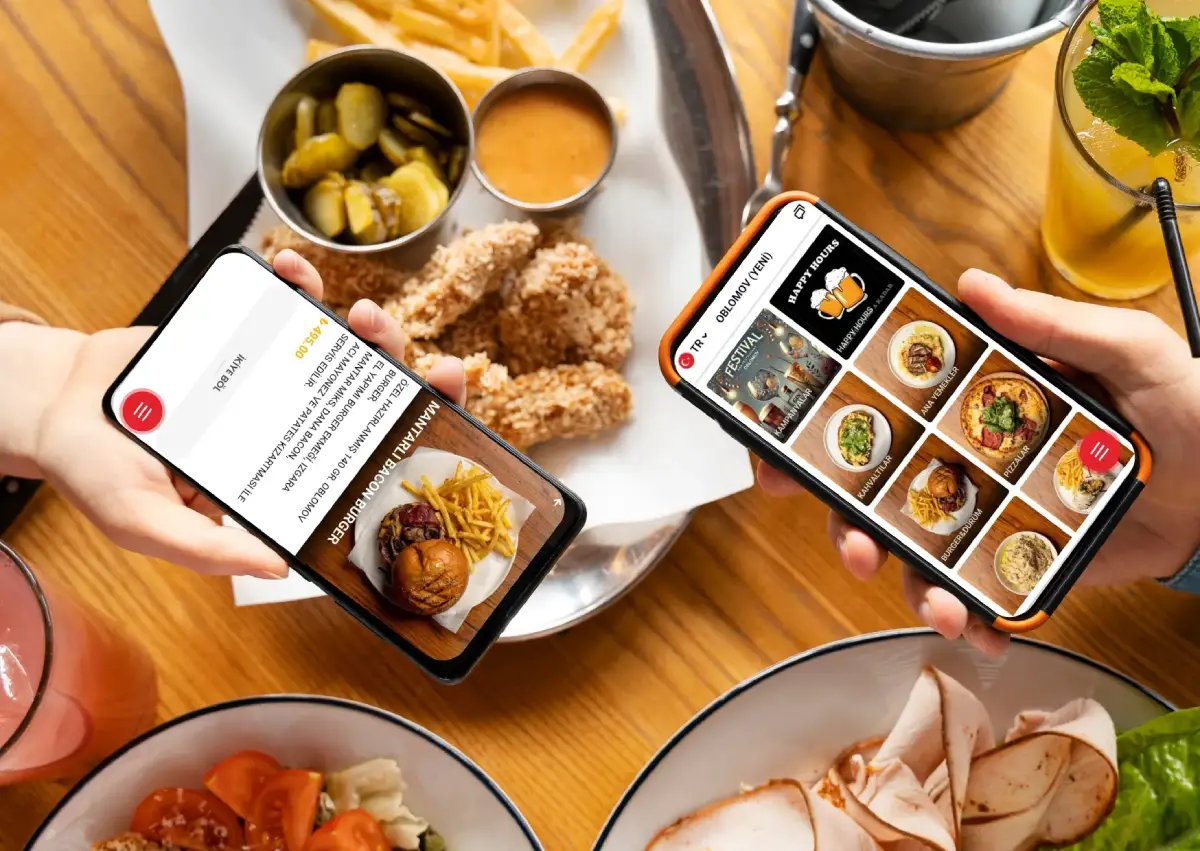
In traditional restaurant management, handling everything with human labor was a standard practice for a long time. However, with the rapid advancement of technology, restaurants have had to adapt to this change. Today, when you visit a restaurant, you encounter smart digital menu applications, online ordering systems, and automatic payment options. These systems make life easier for both businesses and customers.
Restaurant automation systems have many positive effects on businesses, especially in reducing costs. These can be listed as follows:
1. Reducing Personnel Costs: Restaurant automation systems significantly reduce personnel costs for businesses. Especially in areas such as order taking, payment processing, and stock tracking, using a restaurant automation system allows businesses to operate more efficiently with fewer staff.
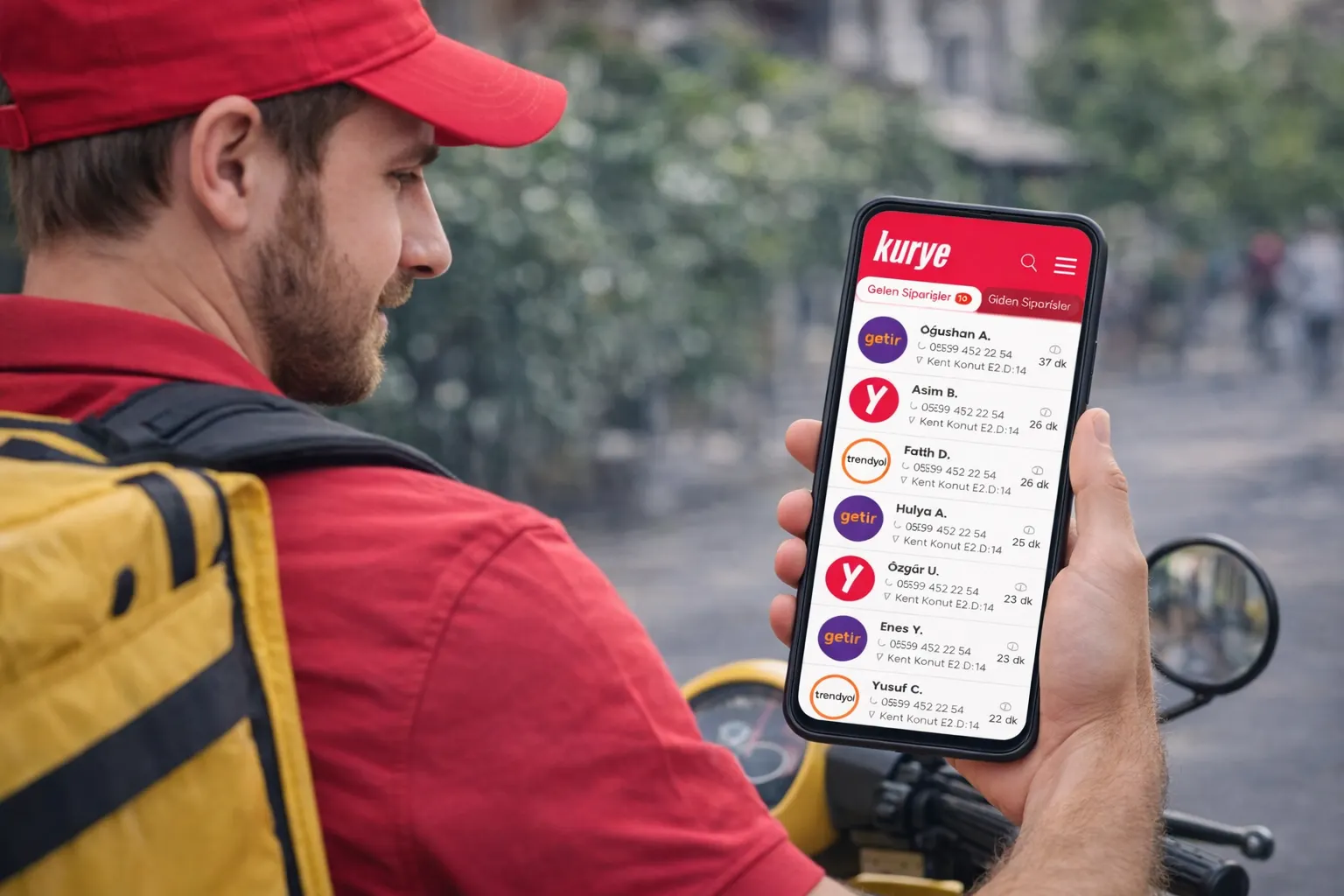
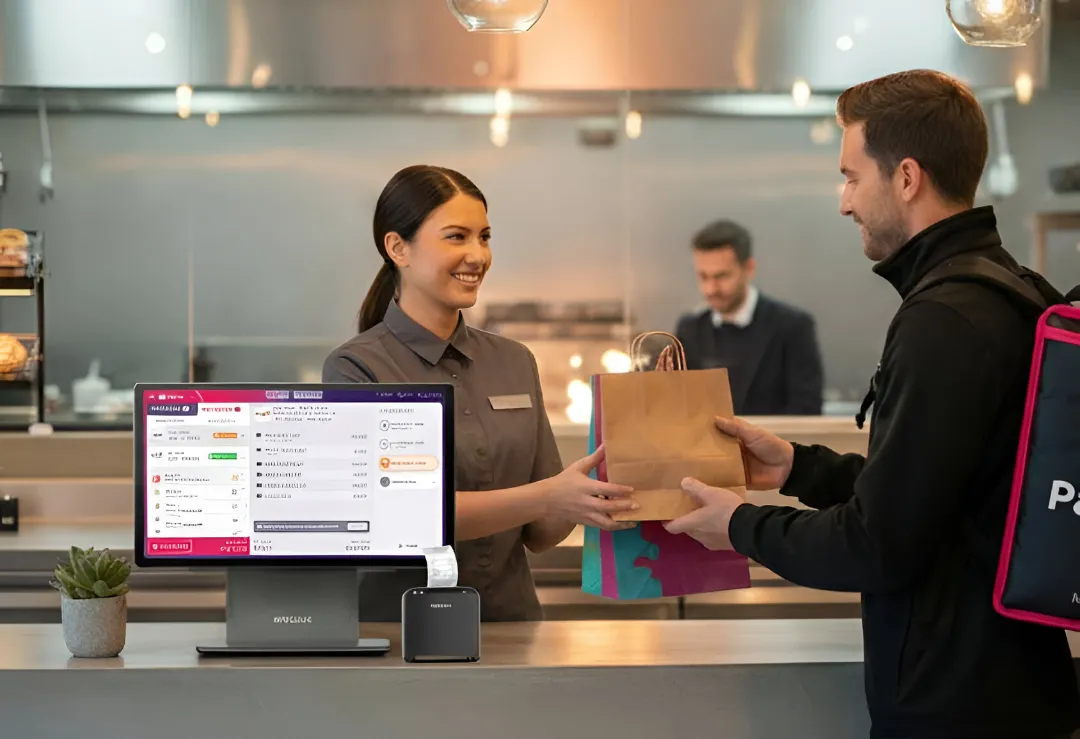
2. Efficiency and Fast Service Delivery: The restaurant ordering system used for taking orders in restaurants increases efficiency and enables fast service delivery. For example, taking orders quickly and accurately and transmitting them to the kitchen display ensures that customers are served in a shorter time.
3. Inventory Management and Waste Reduction: An automation system used to track products and raw materials manages inventory more effectively and minimizes waste. Features such as automatic stock tracking and timely ordering reduce inventory costs while allowing businesses to offer fresh and high-quality products.
4. Customer Satisfaction and Loyalty: Fast, error-free, and personalized service increases customer satisfaction and strengthens loyalty. The convenience and quality experience provided by automation increase customers’ desire to revisit the restaurant.
Contribution of Restaurant Automation to Sustainability and Environmental Impact
The restaurant industry is taking significant steps not only in offering delicious food but also in reducing environmental impact and contributing to sustainability efforts. At this point, we will examine how restaurant automation systems reduce environmental impact and contribute to businesses’ sustainability efforts.
We can list the contributions of restaurant automation systems to businesses’ sustainability efforts as follows:
1. Reducing Paper Consumption: Restaurant automation systems are one of the most effective ways to reduce environmental impact and play a major role in minimizing paper usage. In traditional restaurant management, it is common practice to have menus printed on paper and to provide paper receipts. However, thanks to automation systems, this paper consumption is minimized. Customers can access the digital menu using their smart devices and place their orders عبر digital platforms. Similarly, payment processes are carried out digitally, and digital receipts replace paper ones. This both reduces paper consumption and contributes to the conservation of natural resources.
2. Contributing to Environmental Impact Through Inventory Management: One of the significant advantages that restaurant automation systems provide to businesses is more efficient inventory management. For example, by using a restaurant automation system, products in stock can be tracked automatically and fresh items can be ordered on time. In this way, unnecessary stock accumulation is prevented and food waste is minimized. For instance, inventory management can be adjusted according to seasonally changing demands, and by integrating with suppliers to place orders in the correct quantities, both customer satisfaction is increased and waste is prevented. This practice helps businesses reduce their environmental impact while also lowering costs.
3. Increased Efficiency Through Digitalization: Digitalization strengthens the impact of automation systems in the field of environmental sustainability. For example, storing and processing data digitally reduces paper consumption while also making data analysis easier. This helps businesses make more informed decisions and operate in the most efficient way possible.
In short, all the elements listed above make restaurant automation an effective tool for environmental sustainability. This enables restaurants to operate in a more environmentally and economically conscious and responsible manner.
Restaurant Automation Systems and the Future of Businesses
Restaurant automation systems not only reduce costs for businesses but should also be seen as a step toward the future. In today’s highly competitive restaurant industry, it is clear that businesses that fail to keep up with technology will fall into a disadvantageous position. Therefore, businesses need to invest in automation systems to increase efficiency and fulfill their environmental responsibilities.
In conclusion, restaurant automation systems reduce costs for businesses while also contributing to important areas such as environmental sustainability and customer satisfaction.
“Restaurants of the future can both increase their profitability and take significant steps toward becoming environmentally conscious businesses by using technology effectively.”
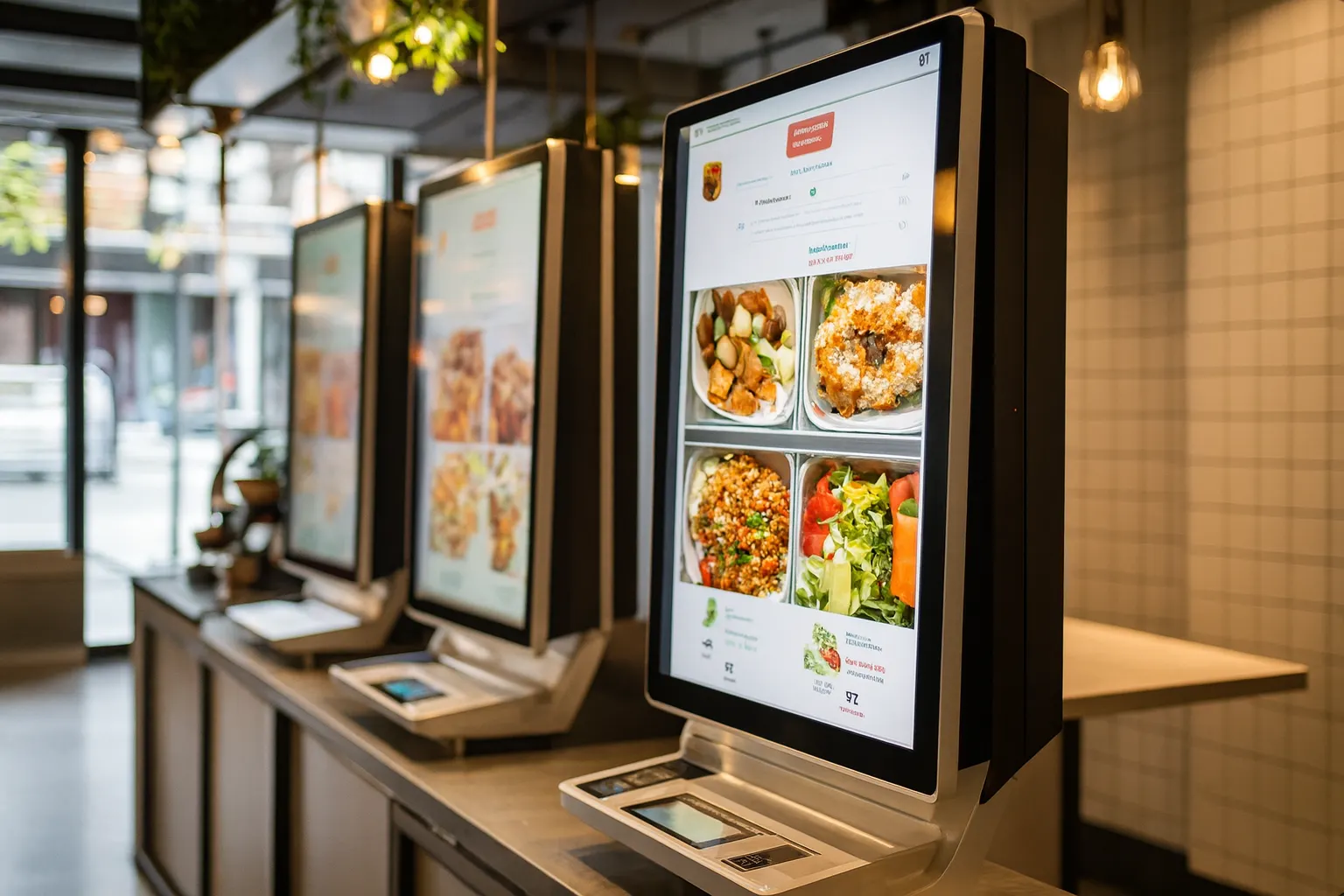
“As Menulux, we are proud to help businesses deliver higher quality, safer, and more efficient services. In the restaurant industry, we stand by our businesses at all times with our next-generation POS systems, cafe & restaurant order management program, contactless QR menu, restaurant self-order kiosk ordering system, and restaurant software solutions.”
You can also visit our contact page to work with Menulux, one of Turkey’s leading POS Systems manufacturers. Thousands of businesses in more than 20 countries are growing their operations with Menulux.


 Nida Kule, Atasehir Barbaros Mah.
 0850 346 6586
 info@menulux.com