MENULUX BLOG
QR Menu Usage for Restaurant and Cafe Owners: Frequently Asked Questions and Answers
Menulux POS Systems · May 25, 2024There is a technology revolutionizing the restaurant and cafe sector: QR menus! With the pandemic, the need for hygiene and contactless service accelerated the rise of QR code menus. Now an indispensable element of modern businesses, this technology not only increases customer satisfaction but also provides many advantages to business owners.
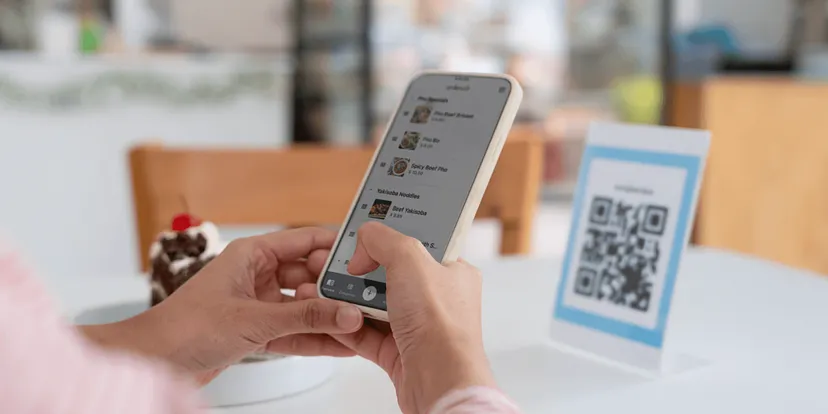
“In this article, by answering the most frequently asked questions about QR menus, we will discover why integrating this innovative system into your business is a smart step.”
1. What is a QR Menu and How Does It Work?
A QR menu is a QR-code-based system used by restaurants to offer digital menus to customers instead of printed menus. Customers scan the QR code using their smartphone cameras and access the digital menu. This method is both hygienic and very practical in terms of allowing instant menu updates.
2. What are the Advantages of Using a QR Menu?
There are many advantages to using a QR menu:
● Hygiene: Unlike printed menus, customers access the menu only through their own phones, providing a hygienic solution.
● Ease of Updating: Price changes or new menu items can be easily updated digitally.
● Cost Savings: Printed menus do not need to be constantly reprinted, which saves printing costs.
● Eco-friendly: Less paper usage means less environmental impact.
● Ease of Use: Customers can access the menu quickly and easily, which increases customer satisfaction.
3. How to Place an Order with a QR Menu?
Placing an order using a QR menu is also quite easy. Here are the steps:
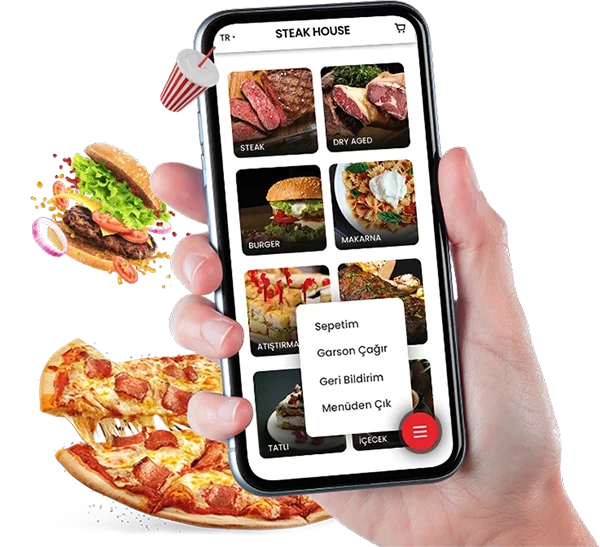
● After scanning the QR menu, the digital menu opens.
● Browse the menu and select the dishes you want.
● Usually, there is an “Place Order” or “Add to Cart” button in the menu. Click this button to add your selected items to the cart.
● Go to your cart and click the “Confirm Order” button to complete your order.
● Some systems also allow you to make payments digitally.
4. How Much Do QR Menu Prices Cost?
The cost of creating and using a QR menu varies depending on several factors. In general:
● Basic QR menu services may range between 50–200 TL per month.
● More advanced and customizable QR menu systems may cost between 200–500 TL per month.
● Some companies offer discounts for annual subscriptions, making costs more affordable.
5. Is QR Menu Installation Difficult?
No, QR menu setup is quite simple. Restaurant owners or managers can easily create QR codes through QR code generation platforms or service providers. The following steps are usually followed:
● Sign up for a QR code generation platform.
● Upload your digital menu to the platform.
● Generate the QR code and print it out.
● Place the QR code in suitable locations within the restaurant.
6. How to Scan a QR Menu?
To scan a QR code, you can follow the steps below:
● Open your smartphone’s camera app.
● Point the camera at the QR code.
● Your phone will automatically recognize the code and show a notification.
● Tap the notification to access the menu.
Note: Older model phones may require you to download a QR code reader app.
7. Which Restaurants Use QR Menus?
QR menu systems are used across a wide range of establishments, from small cafés to large chain restaurants. Especially in the post-pandemic period, many businesses have transitioned to digital QR menu systems due to the need for hygiene and contactless service. They are commonly used in fast food restaurants, fine dining venues, bars, and hotels.
8. Is QR Menu Usage Safe?
Yes, using QR menus is safe. However, there are some points to consider:
● Correct URL: Ensure that the URL opened when scanning the QR code is correct.
● Secure Connection: It is important that secure connections such as HTTPS are used when accessing the menu.
● Restaurant Security: Using QR codes provided directly by the restaurant reduces the risk of fake codes.
9. Is an Internet Connection Required for QR Menus?
Yes, an internet connection is required to access and view the QR menu. You can do this via Wi-Fi or mobile data. Most restaurants provide free Wi-Fi to make this process easier for customers.
10. What Information Can Be Found in QR Menus?
QR menus can include all the information found in traditional menus:
● Food and Beverage List: All available food and drink options.
● Prices: Prices of food and beverages.
● Descriptions: Ingredients, allergen information, and special notes about dishes.
● Images: Photos of food and beverages.
● Promotions: Special discounts and promotional offers.
11. Can Payments Be Made via QR Menu?
Yes, some QR menu systems offer payment integrations that allow customers to pay for their orders digitally. This further improves the customer experience and enables contactless payment. Customers can complete payments using credit cards or digital wallets after placing their orders.
12. Are QR Menus Compliant with Legal Regulations?
Yes, QR menus are generally compliant with legal regulations. However, each country and region has its own food safety and consumer protection laws. Restaurant owners must ensure compliance with these regulations when using QR menus. For example, all ingredients and allergen information in the menu must be accurately stated within the digital menu.
13. Conclusion
QR menus stand out as a revolutionary technology in the restaurant and café industry. While offering customers a contactless, hygienic, and easy-to-use experience, they also provide businesses with operational efficiency and cost advantages. The questions and answers covered in this article provide comprehensive information about how QR menus work and why they should be preferred. To learn more about QR menus and integrate this system into your business, you can contact Menulux.
By incorporating this innovative technology into your business, you can both increase customer satisfaction and take steps aligned with the needs of the modern age. Take advantage of the benefits of QR menus to move your business one step ahead!
As Menulux, we are proud to help businesses provide higher quality, safer, and more efficient service. With our next-generation POS systems, café & restaurant order management software, digital QR menus, restaurant ordering systems, and self-order kiosk solutions, we are always by the side of businesses.
You can also visit our contact page to work with Menulux, Turkey’s leading POS systems manufacturer. Thousands of businesses in more than 20 countries are growing their operations with Menulux.



 Nida Kule, Atasehir Barbaros Mah.
 0850 346 6586
 info@menulux.com