MENULUX BLOG
Professional Solutions for Your Restaurant with Menulux: The Digital Archive Era with e-Receipt
Menulux POS Systems · March 30, 2026For businesses operating in the food and beverage sector, managing orders, tracking inventory, and processing payments through digital platforms has become legally regulated for businesses of certain scales, in line with the relevant communiqués of the Tax Procedure Law. The electronic receipt (e-Receipt) application, shaped by Tax Procedure Law (VUK) General Communiqués No. 509 and 526 and additional regulations, allows restaurants, cafes, patisseries, and similar businesses offering table service to create, store, and submit their receipt documents electronically to the Revenue Administration.
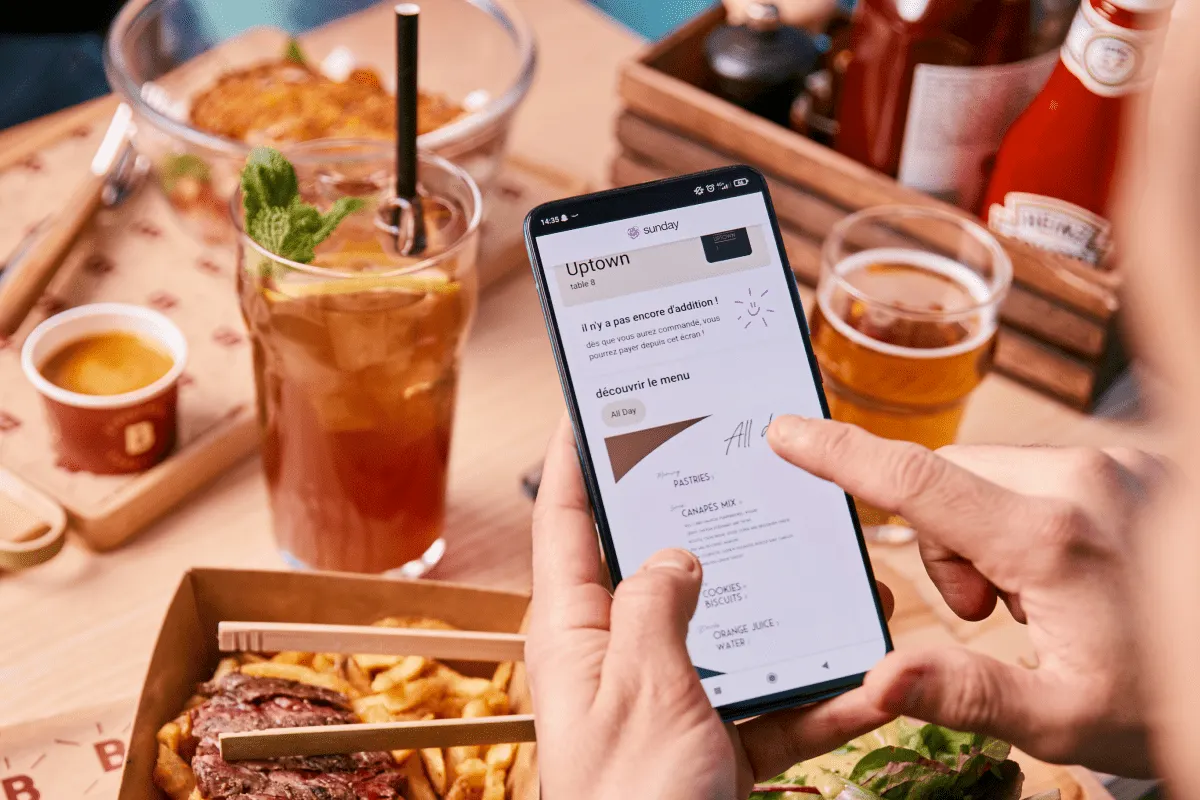
Menulux e-Receipt offers an order and payment infrastructure developed in accordance with this legal framework, capable of integrating with businesses’ existing commercial software and receipt systems.
What is e-Receipt?
e-Receipt is the electronic version of the traditional paper receipt used in restaurants, cafes, and similar food and beverage businesses. Legally equivalent to paper receipts, this document operates fully digitally in terms of creation, storage, and reporting processes.
Within the application, orders taken at the table are entered into the system via electronic devices or restaurant receipt software, transmitted to kitchen screens, and linked to payment processes. All receipt records generated during these operations are digitally archived in compliance with regulations.
Technical Infrastructure and Integration
One of the main functions of Menulux e-Receipt is its ability to work compatibly with the commercial software, accounting software, and Menulux restaurant automation system already used by businesses.
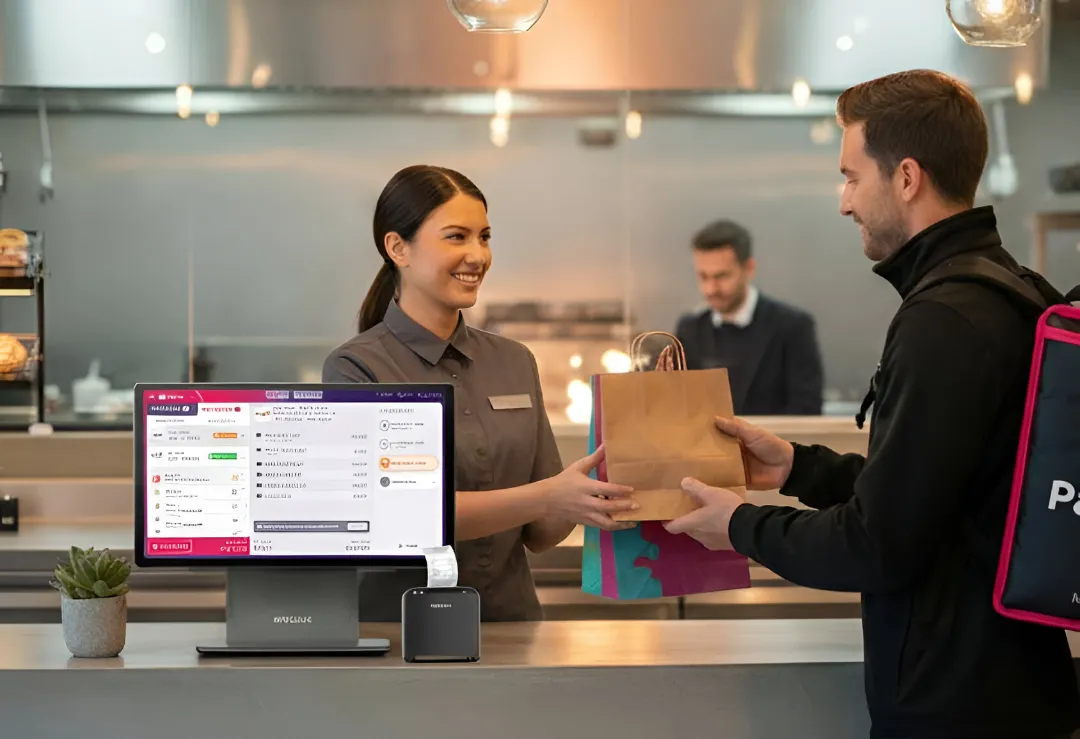
Thanks to the integration of the e-Receipt application with the Menulux restaurant receipt program, every receipt opened at tables can be automatically generated digitally and sent to the Revenue Administration (Gib).
Digital Archiving and Data Security
Problems such as document loss, physical archiving costs, and difficulties accessing past records encountered with paper receipts are eliminated through digital archiving. All documents created within the electronic receipt system are stored digitally for the legally required periods and can be quickly queried when needed.
Data backup and security are managed according to protocols provided by cloud infrastructure providers, and measures are taken to protect commercial data processed through the e-receipt system from unauthorized access.
Legal Framework and Mandatory Usage
According to Tax Procedure Law General Communiqué No. 509 and additional regulations, businesses meeting certain criteria are required to transition to the electronic receipt (e-Receipt) application. This includes:
• Restaurants, cafes, patisseries, and cafeterias subject to real taxation and offering table service
• Nightclubs, bars, discos, casinos, pubs, and restaurants keeping books based on balance sheet or operating account and serving alcoholic beverages
• Hotels, casinos, restaurants, patisseries, and cafeterias subject to corporate tax and keeping books based on balance sheet, not serving alcoholic beverages
These businesses are considered under the regulations for using e-Receipt. Other businesses may transition to the system voluntarily.
To participate in the e-Receipt application, businesses must first be registered with the e-Invoice and e-Archive Invoice systems. Once this prerequisite is met, businesses can begin the transition to the electronic receipt infrastructure.
Support and User Services
For technical issues or regulatory uncertainties encountered during the installation and daily use of the Menulux e-receipt system, businesses can contact the Menulux support team. Assistance can be received via the live support line for tasks such as preparing e-Receipt documents, configuring system settings, or resolving integration issues.
Businesses wishing to initiate the transition process can apply through the Information Request Form. The expert team will contact the business after the application, conduct a current situation analysis, and guide the transition process.
The Menulux e-Receipt system provides an infrastructure that allows food and beverage businesses to digitize order, payment, and reporting processes. The system can be configured according to the needs of businesses in terms of regulatory compliance, integration flexibility, and operational continuity.



 Nida Kule, Atasehir Barbaros Mah.
 0850 346 6586
 info@menulux.com