MENULUX BLOG
Documents Required to Open a Bakery 2025
Menulux POS Systems · September 22, 2025
Delicious desserts, freshly baked pastries with a delightful aroma, and coffees that will attract customers in the mornings… Perhaps you have been dreaming of opening your own bakery for a long time. However, questions like "Where should I start?", "What documents are required?", or "How much will it cost?" might be on your mind. In this article, we examine the bakery opening process in 2025 in detail, from documents to costs, licenses to marketing strategies, step by step. After reading, you will be able to clearly answer the question, "Should my dream be a boutique bakery or a large bakery?"
1. Where Should I Apply to Open a Bakery?
The first stop for entrepreneurs who want to open a bakery is the municipalities. You need to apply to the municipality of the area where your business will be located to start the business license process. Additionally, the tax office, chamber of commerce or tradesmen's chamber, and social security institutions are also institutions you need to visit for official procedures. If you plan to employ staff, SGK registration must also be completed.
2. Documents Required to Open a Bakery (2025)

As of 2025, the documents required to open a bakery in Turkey are:
• Copy of ID
• Residence certificate
• Tax certificate (obtained from the tax office)
• Registration with the chamber of commerce or tradesmen's chamber
• Mastery certificate (mandatory for food production businesses)
• Business lease contract or property deed copy
• Fire department compliance report
• Health report (for the business owner and employees)
• Food registration certificate and business registration document (from the Ministry of Agriculture and Forestry)
• Business license application form
Among the documents you need to prepare when opening a bakery are chamber registration, business license, mastery certificate, and many other official documents. To learn which chamber registration might be more advantageous for you and which documents are required step by step in this application process, be sure to check our detailed guide Documents and License Process for Opening a Business (2025 Updated Guide).
3. What Equipment is Needed for a Bakery?
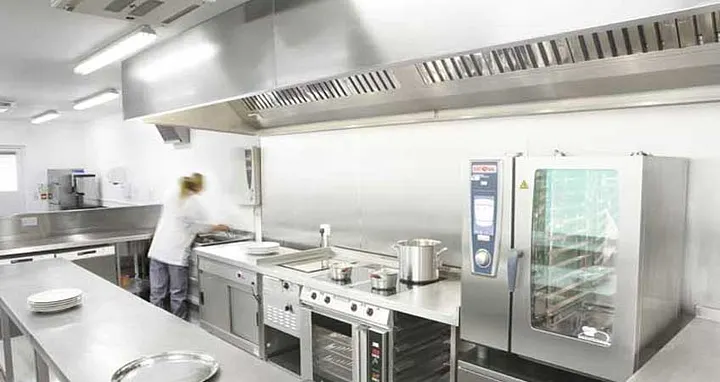
The equipment you need for a bakery may vary depending on your operational plan. Below is a list of essential equipment for a bakery.
Most Important Bakery Equipment:
• Oven (convection or stone-based)
• Dough kneading machine (spiral mixer)
• Planetary mixer (for cream, cake, pastry filling)
• Proofing cabinet (for bread, pastries, börek)
• Refrigerated display case (for showcasing cakes and desserts)
• Industrial refrigerator & freezer
• Stainless steel counters
• Scales and measuring equipment (for portion control)
• Decoration tools (piping bags, nozzle sets, cake syringes)
• POS system + cash register (for sales and tracking)
When opening a bakery, you should consider not only physical equipment like ovens, mixers, kneading machines, or display cases, but also digital solutions that will grow your business. Being able to take orders quickly, manage payments seamlessly, and track inventory easily sets you apart from competitors.
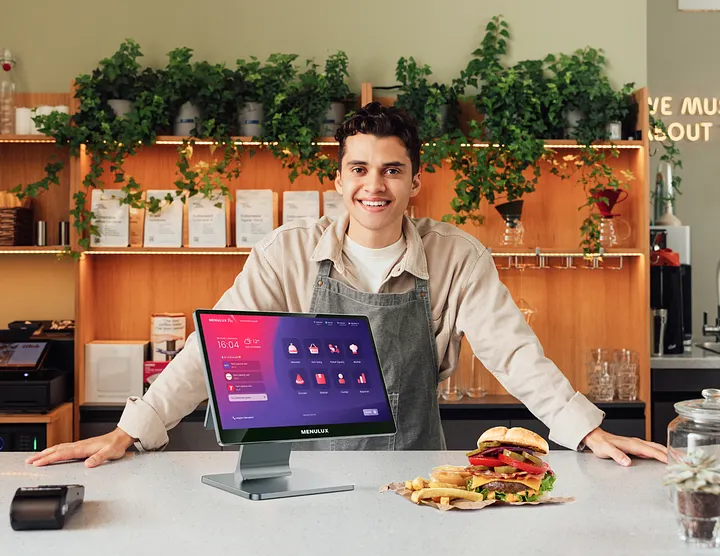
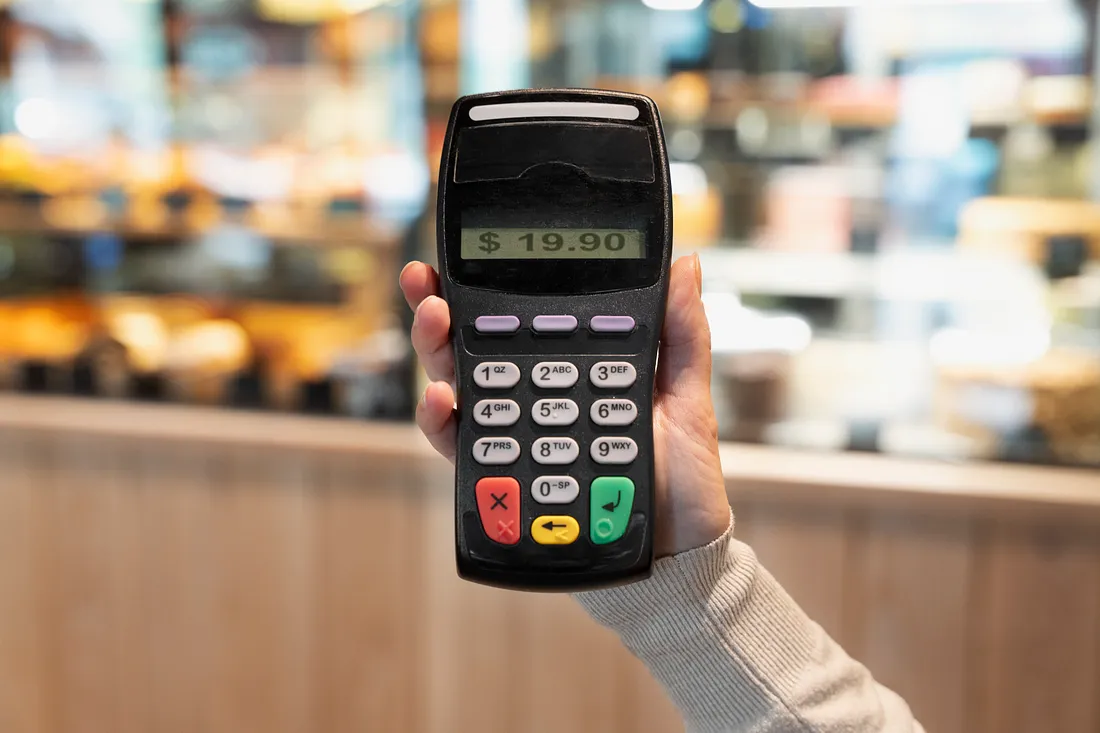
Using a receipt program and POS system for your bakery speeds up operations while enhancing customer satisfaction. Focus on your delicious products, while smart software manages all orders and payment processes for you. Now manage your business professionally from day one with promotions!
4. How Much Does It Cost to Open a Bakery?
In 2025, the cost of opening a bakery varies depending on the chosen concept and the size of the space. For those wanting to open a small boutique bakery, the average cost ranges from 800,000 TL to 1,200,000 TL, while mid-sized bakeries with a wider product range may cost between 1,500,000 TL and 2,500,000 TL. If you plan to open a larger bakery with modern decor, costs will be significantly higher.
5. How Much is the Bakery License? How Many Days Does It Take?
In 2025, municipalities charge an average fee of 5,000 TL – 15,000 TL for a business license. The license issuance period varies by sector and, if your documents are complete, is usually completed within 7 – 15 business days.
6. What is the Profit Margin in Bakeries?

Profit margins in bakeries generally range between 30% and 50%. However, this can increase depending on product variety and the location of the business. High-value products like desserts, cakes, and coffee tend to have higher profit margins. For example, although coffee has a low cost, its selling price is high, resulting in higher profit per cup compared to many other products.
Similarly, special occasion cake orders significantly contribute to monthly revenue. A bakery in the right location with a steady customer base can convert a large portion of daily sales into profit. This conversion significantly increases the profit margin and contributes to business growth. Therefore, expanding product variety, ensuring customer satisfaction, and running regular promotions are important factors in increasing profit margins.
7. How Much is the Tax for Bakeries?
• Simple taxation can be preferred for small businesses.
• For medium and large bakeries, a 20% corporate tax applies.
• Additionally, VAT on food products is 10%.
• SGK premiums for employees are also part of monthly expenses.
8. What Kind of Bakery Should I Open?
What kind of bakery you should open depends entirely on your dreams, taste, and goals. For some entrepreneurs, opening a large, modern bakery on a central street is the right choice, while for others, a cozy neighborhood bakery is more meaningful. The important thing is to take the right steps on this journey, and this guide provides you with a roadmap.
Before starting the bakery opening process, it is crucial to clearly define your concept and target audience; the identity, decor, and menu of your business will depend on whether your customers are students, workers, or families.
Additionally, your marketing strategy during the shop opening process directly affects your success. Visibility on digital platforms like Instagram, Google Ads, or Trendyol Yemek, attention-grabbing opening campaigns and free samples, or creating a loyal customer base with loyalty cards accelerates your business growth.
9. What Types of Bakeries Are There?
When dreaming of opening a bakery, deciding on a concept directly affects your success. Every business has a different style and product offering; the important thing is that it reflects your vision and target audience. The right concept is more than just the wall colors or the products on the counter. It is an identity that sets you apart from competitors, an emotional connection with your customers, and a cornerstone of your market position. This identity should be consistently felt in everything from the flavors on your menu to your store decor, staff uniforms, and social media tone.
Here are the main types of bakeries that can inspire you and help you build this identity:
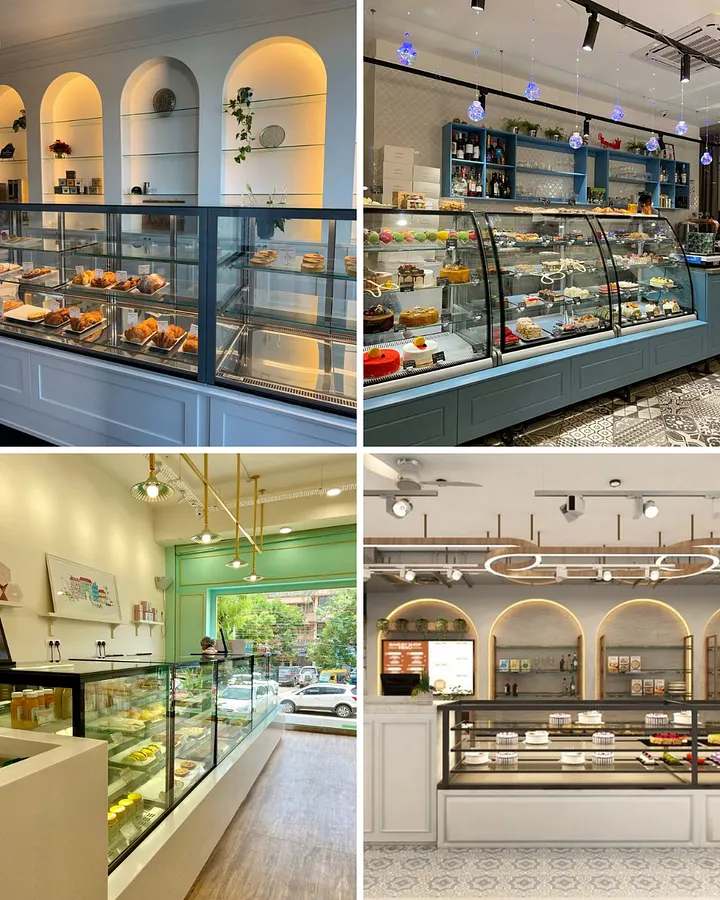
1. Turkish Bakeries (Traditional)
These bakeries preserve neighborhood culture and offer nostalgic flavors such as baklava, kadayıf, revani, and pastries. With a warm atmosphere, familiar tastes, and friendly service, customer loyalty is easily earned.
2. French Bakeries (Pâtisserie)
French bakeries, known for their stylish and elegant designs, offer visually impressive desserts like macarons, éclairs, and mille-feuille. Chocolates and entremets stand out, and the decor and presentation create experiences that customers want to share on social media.
3. Italian Bakeries (Pasticceria)
With unique desserts like tiramisu, panna cotta, cannoli, and panettone, they create an Italian atmosphere. Served with espresso or coffee, these desserts are an ideal meeting point for young, urban customers.
4. World Cuisine Bakeries
Offering a wide range from American cheesecakes to Japanese matcha desserts, they give customers the chance to explore different cultures. This concept is attractive to trend-seekers and innovation enthusiasts.
5. Vegan / Organic Bakeries
They cater to the healthy living and natural products trend. Desserts without animal products, gluten-free and additive-free options make them stand out. They appeal to conscious consumers and vegan customers.
6. Fit & Gluten-Free Bakeries (New Trend)
They offer protein-rich desserts, sugar-free snacks, and low-calorie products. Ideal for athletes, people on diets, and those prioritizing healthy living. Among the rising trends in 2025.
7. Boutique Bakeries
Stand out with custom-designed cakes, wedding and birthday orders, and artistic cupcakes. Custom production, social media exposure, and prestigious orders enhance your brand value.
8. Bakery & Oven Concepts
Offer bread, simit, pastries, and breakfast items alongside desserts. Serve customers both morning and evening and attract a wide audience. Draw different customer profiles from neighborhood residents to daily workers.
9. Cafe-Bakery
This concept combines desserts and beverages, creating a cozy environment where customers can sit and spend time. Offers coffee, tea, and snacks for social experiences; ideal for friend meetups and small meetings.
10. Industrial Bakeries
Large-scale production, supplying products to markets and businesses. Create a wide distribution network with packaged, long-shelf-life products. Target audience is large customer groups.
11. Online Bakeries
Modern businesses that accept orders only online. Special packaging, gift concepts, and fast delivery create a citywide customer base. Particularly adapts to the post-pandemic online order trend.
Are You Ready to Open a Bakery?
We have guided you step by step through the bakery opening process, covering everything from required documents to costs, license procedures, and bakery types. Now you can clearly see which concept suits you when opening your own bakery.
With Menulux receipt system, take orders quickly, manage payments seamlessly, and simplify inventory tracking.
Take the first step to turn your dream bakery into reality and start managing your business efficiently with Menulux!
You can also visit our contact page to work with Menulux, one of Turkey’s leading POS Systems manufacturers. Thousands of businesses in over 20 countries grow with Menulux.



 Nida Kule, Atasehir Barbaros Mah.
 0850 346 6586
 info@menulux.com